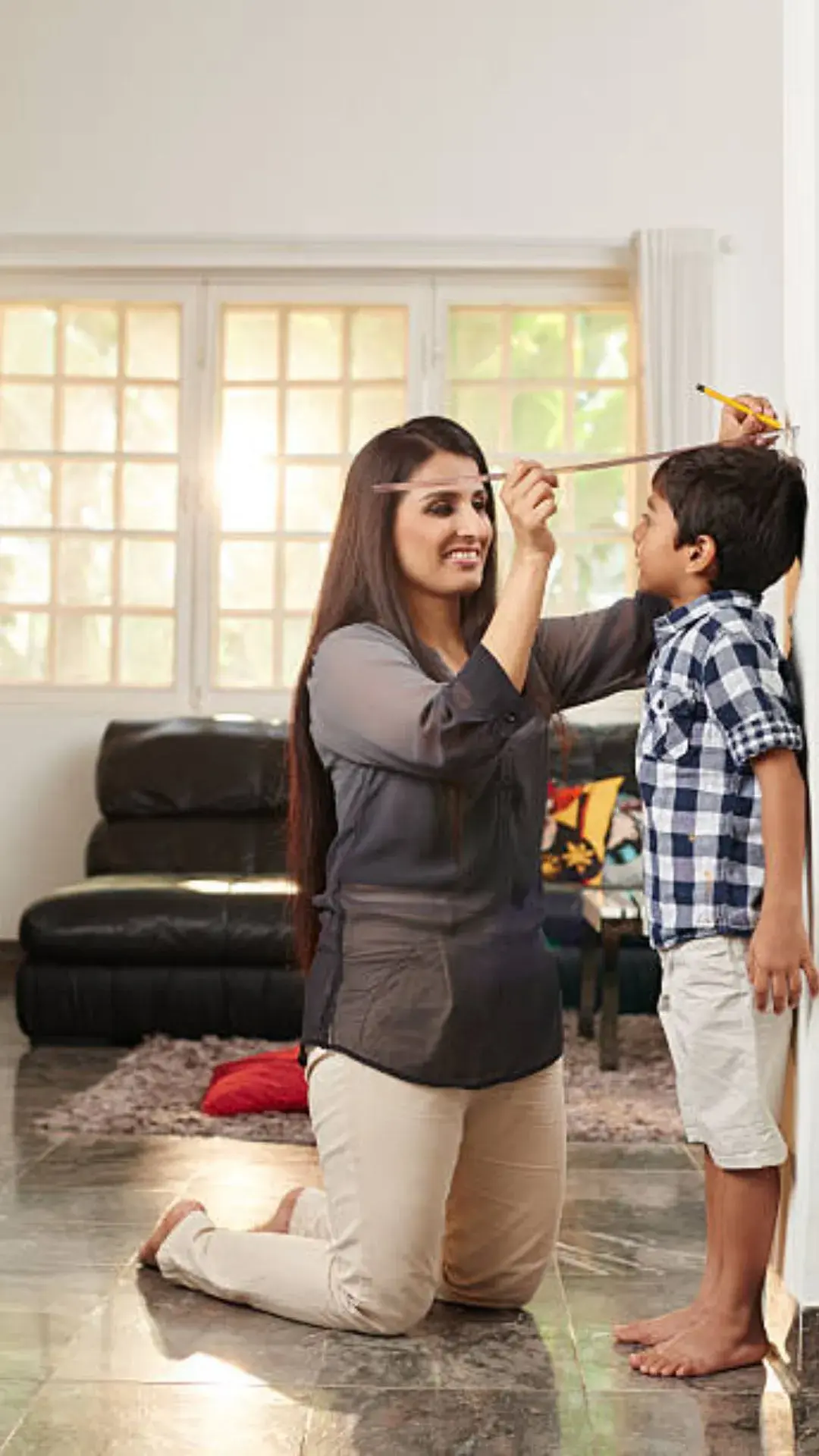
A hand gently measuring a child's height against a wall
WHO growth charts · every visit

Services Growth & Development

Service 04

Growth & Development

A child's height, weight and milestones tell a story long before problems announce themselves. We read that story — plotted, measured and compared — so that growth is never left to chance.

Why tracking matters

A curve, not a moment.

One weight reading means little. A series of readings — plotted on WHO growth charts — reveals everything. It shows whether a child is following their own healthy path, or quietly drifting off it months before any symptom appears.

The same logic applies to development. Milestones are not a checklist to pass; they are signposts. Noticed early, a delay becomes an opportunity; noticed late, it becomes a struggle.

  • Height, weight & head circumference on WHO charts at every visit
  • Body-mass-index monitoring from age two — weight problems seen before they grow
  • Milestone review across motor, speech, social and cognitive domains
  • School-readiness and behavioural screening at appropriate ages
  • Clear referral pathway if specialist assessment is ever needed
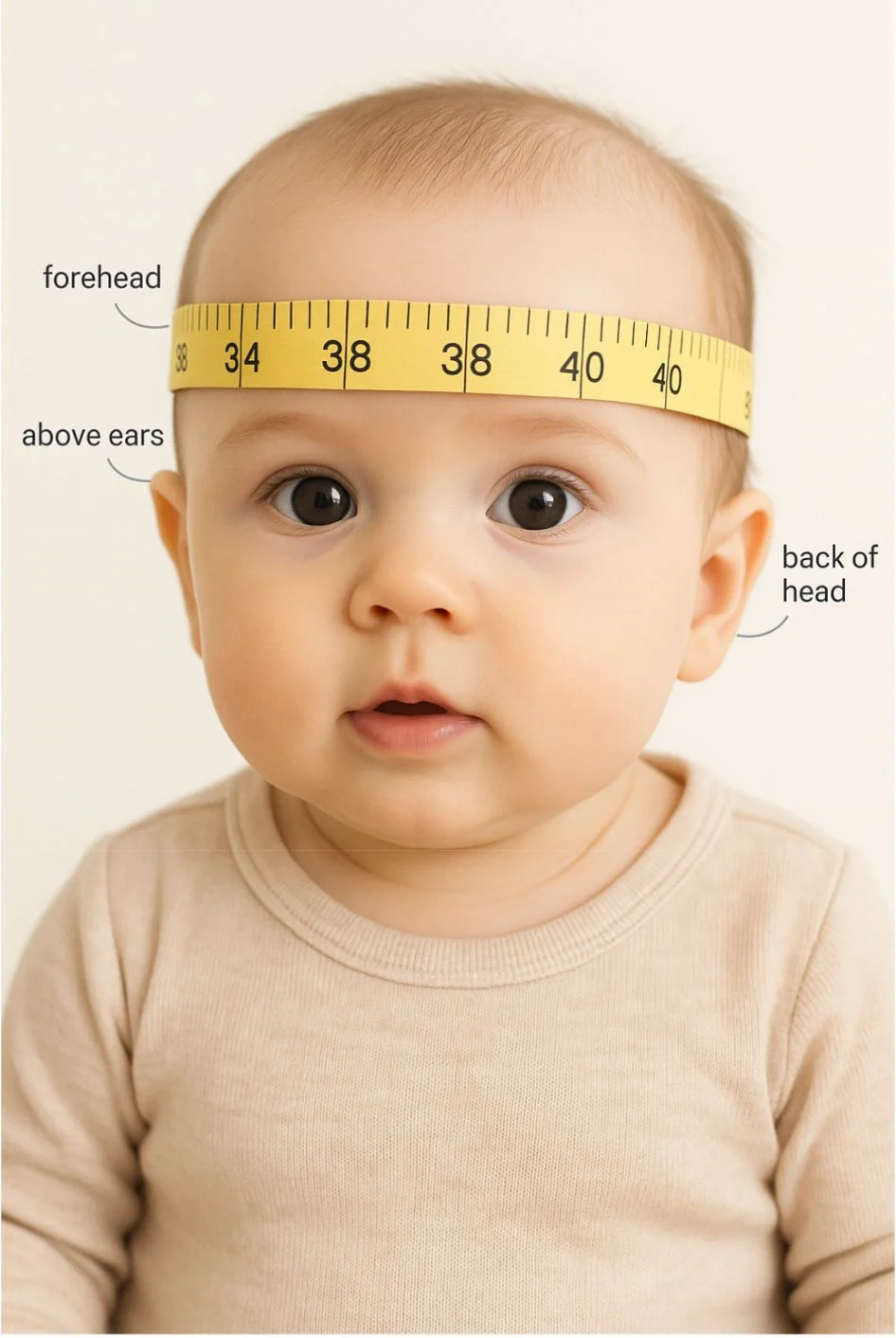
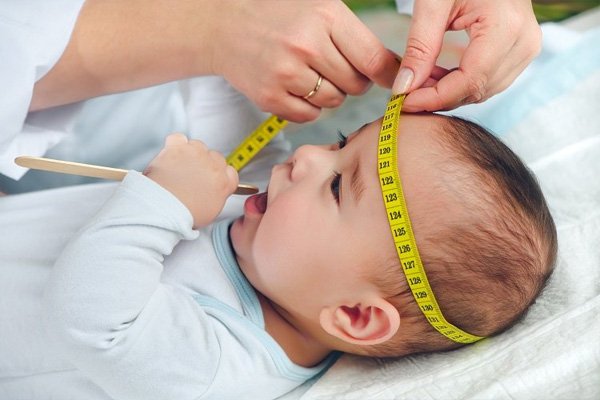
A measuring tape checking a young child's head circumference

Every measurement is a conversation about the future.
Milestones at a glance

The first two years, signposted.

Every child develops at their own pace — these are typical ranges, not deadlines. If anything here is missing well past the range, a review is worthwhile.

Typical developmental milestones in the first two years
AgeMotorSpeech & social
0–2 monthsLifts head briefly, kicks legs, follows facesStartles at sounds, begins to smile socially
3–4 monthsHolds head steady, pushes up on forearmsCoos, laughs out loud, watches hands
5–6 monthsRolls over, sits with support, reaches for toysBabbles with consonants, recognises familiar voices
7–9 monthsSits without support, crawls, pulls to standResponds to name, waves bye-bye, stranger awareness
10–12 monthsStands alone, cruises, maybe first stepsSays ma-ma/da-da meaningfully, points to things
12–18 monthsWalks independently, climbs, scribblesSays 5–15 words, follows simple instructions
18–24 monthsRuns, climbs stairs with help, kicks a ballTwo-word phrases, names body parts, symbolic play

When to visit

Growth & development red flags

Most children grow beautifully with no drama. These are the signs worth raising early — none is a diagnosis, each is a conversation.

  • Growth channelHeight or weight sliding off the child's own curve
  • SpeechNo single words by 18 months, no two-word phrases by 2 years
  • SocialNo eye contact, no response to name, or losing skills once gained
  • MovementSignificant delay in sitting, standing or walking vs. peers
  • WeightBMI trending too high or too low on the growth chart
  • BehaviourUnusual repetition, fixations, or regression after illness
Good to know: Parents notice first. If you've been 'waiting to see' for a while, a review is the calmer path — early answers change outcomes.
Measuring tape checking a young child's head circumference at a growth visit

How we manage it

How we assess & plan

  1. 1

    WHO growth charts

    Height, weight and head circumference plotted at every visit

  2. 2

    Milestone review

    Motor, speech, social and cognitive — all four tracks, not just one

  3. 3

    Targeted screening

    Focused checks where a parent or teacher has flagged a concern

  4. 4

    Nutrition & lifestyle

    Food, sleep and activity plans that move the curve the right way

  5. 5

    Monitoring visits

    Follow-up appointments timed to see real change, not just paperwork

  6. 6

    Honest referral

    If specialist assessment is ever needed, we guide you to the right place

What you gain

What families gain

  1. 01

    Early answers

    Small delays caught in months, not years

  2. 02

    Individualised plan

    Plans built around your child's curve, not a generic table

  3. 03

    Charts you understand

    We teach you to read the story in your child's measurements

  4. 04

    Joined-up care

    Growth, nutrition and vaccination under one roof, one record

  5. 05

    Honest screening

    No unnecessary tests — but no missed signs either

  6. 06

    Long-term tracking

    The same chart follows your child through every stage

Developmental assessment

When 'he'll grow out of it' isn't the answer.

Children develop along four tracks at once — motor, speech and language, social and emotional, and cognitive. A structured developmental assessment looks at all four, not just the obvious ones, and compares them against what's typical for the age.

We conduct these reviews at key ages and whenever a parent or teacher flags a concern — a child not speaking by two, not making eye contact, or losing skills they once had. Early answers change outcomes; that's why we take the question seriously on the first call.

01Listen to your observations
02Structured milestone review
03Targeted screening where needed
04Honest plan — support, follow-up or referral

Worth raising early

  • No babbling or gestures by 12 months
  • No single words by 18 months
  • No two-word phrases by 2 years
  • Loss of skills at any age
  • No eye contact or response to name
  • Unusual repetition or fixations

None of these is a diagnosis — each is a reason to have a conversation.

Growth FAQs

Growth worries, put on the chart.

Keep exploring

Growth care, side by side

Growth questions usually arrive hand-in-hand with feeding concerns and vaccination checkpoints — we keep the whole picture on one chart.

Serving families in Wagholi · Kharadi · Viman Nagar · Lohegaon · Hadapsar · East Pune

Bring the growth records. We'll read the story.

Any records from school, previous clinics, or the vaccination card — even a photo of a height mark on the wall.

Scroll to Top